Browse our extensive lineup of monoculture cover crop seeds.
Looking for a diverse cover crop mix? Browse Pre-Made Mixes or Food Plots.
Single Species Seed

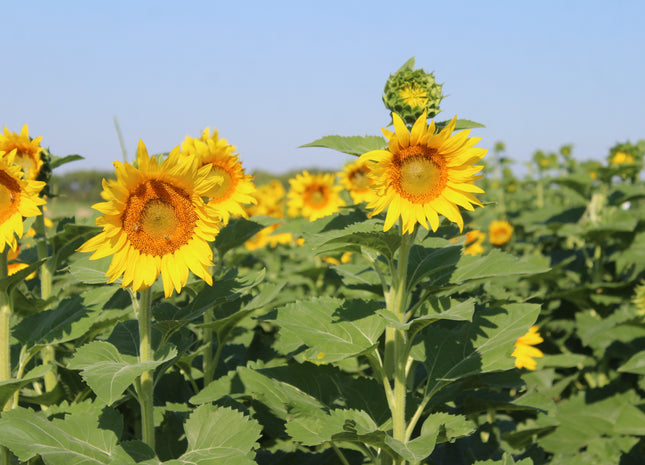
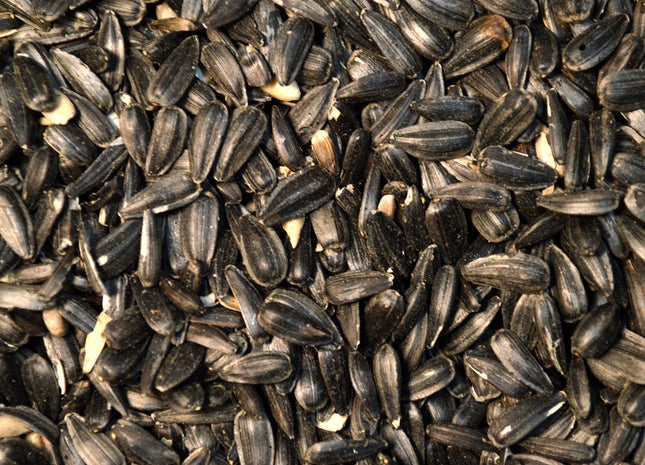
Sunflower (Black Oil)
Sunflower is renowned for its extensive and prolific root system and its ability to soak up residual nutrients out of reach for other commonly used covers or crops. This species can also take advantage of short growing seasons in case of damaging hail or poor emergence to cash crops. If planning to harvest for oil or seed or simply to attract birds, sunflowers have very similar planting and harvesting methods to that of corn. Because insects are attracted to the bright colors of sunflower heads, pollinators and beneficials such as bees, damsel bugs, lacewings, hoverflies, minute pirate bugs, and non-stinging parasitoid wasps are often found in fields of sunflower and in following crops. Sunflowers also work very well in cover crop cocktails/mixtures. With rapid early season establishment, additional covers under the canopy that normally don’t grow under cool conditions can begin to take advantage of warmer and favorable weather when sunflowers are growing slower. With upright growth and anchored plants in the soil, surrounding vining/climbing cover crop plants can support their own growth by working their way up to reach sunlight thereby providing the structure they need to grow. Because sunflowers can add significant biomass production in just a short growing season, they can also serve as additional forage or silage for livestock feed.
from $0.90 per lb
-
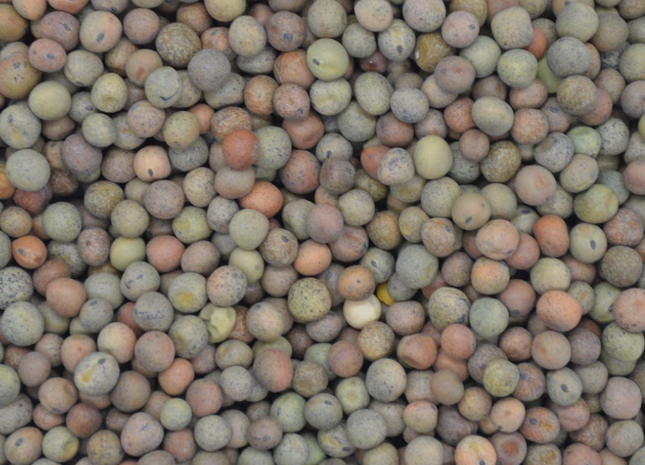
Winter Peas (Austrian)
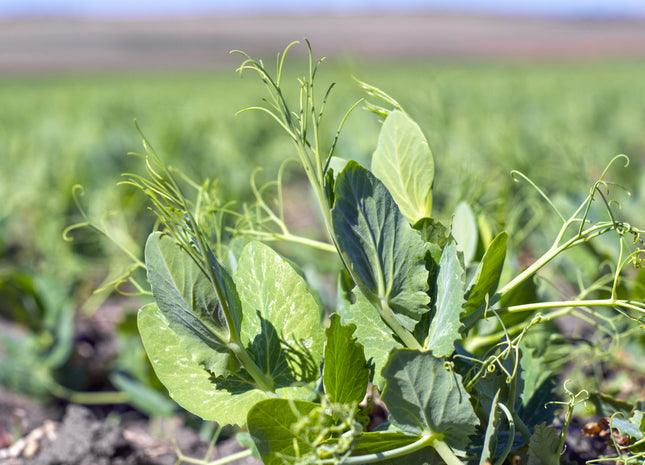
Austrian winter peas are good companions to fall mixes, especially when combined with hairy vetch. If planted in early fall, there can be good growth for fall grazing as a protein source in the mix and they will grow much later into the fall than spring peas. In order to maximize winter survival chances, winter peas need to be planted relatively late (about the middle of wheat planting season) and deep, up to 3 inches. These conditions will help protect the growing point of the pea and assists in survival in colder climates.
from $0.80 per lb
-
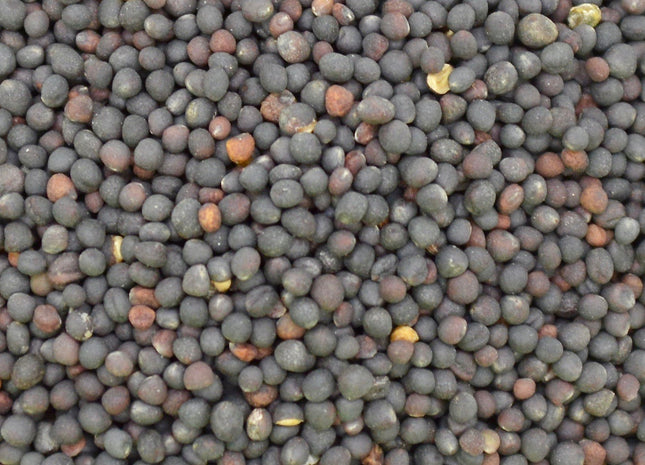
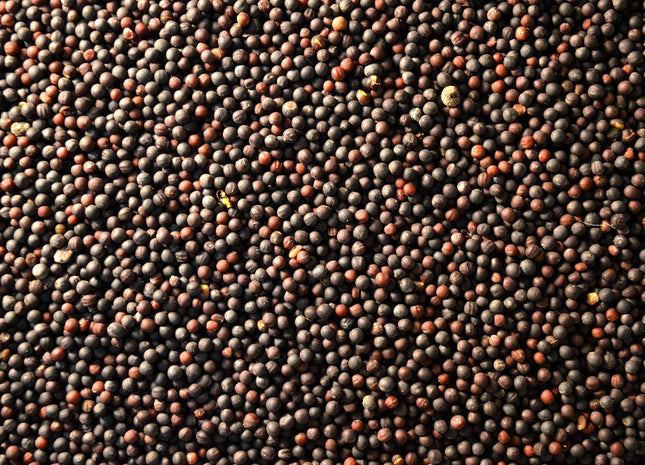
Rapeseed (Trophy)
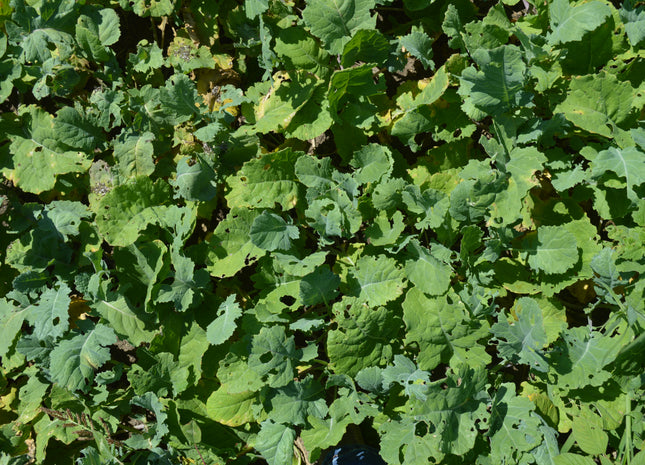
Rape's rapid forage growth produces quality pasture equivalent to alfalfa, with a crude protein value around 16-17%. Boasted for its nutrient scavenging abilities, rape can accumulate potentially large amounts of residual N up to 120lbs N/A. Also, root exudates secreted by rape are known to aid in turning insoluble P into a more available form. Rapes seed cost is by far the cheapest of all the brassica species, generally less than $1/lb. Adding rape in between wheat crops has been shown to greatly reduce take-all in wheat. Rape has an excellent, deep penetrating tap-root with a dense fibourous root mass surrounding the tuber.
from $1.10 per lb
-
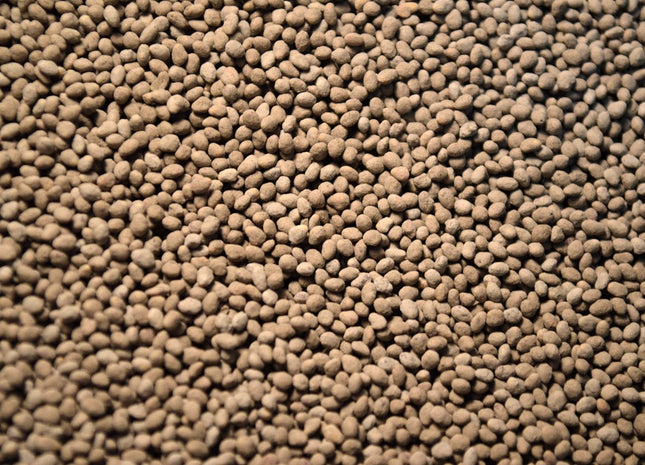
Red Clover (Medium) - OMRI Inoculated
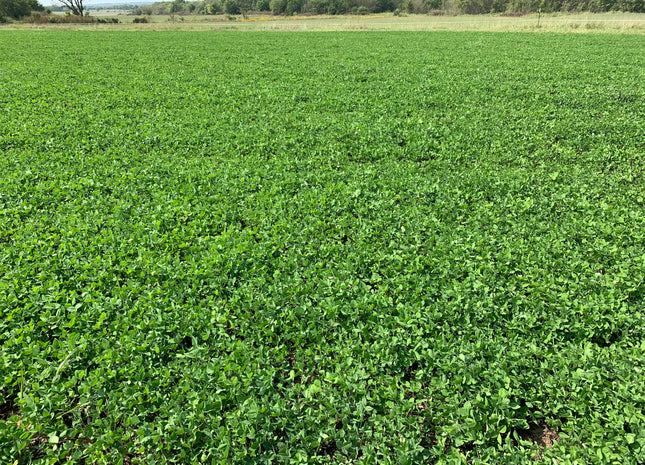
With similar forage yields, crude protein and better digestibility when compared to alfalfa, red clover can be an excellent forage alternative to add to your operation. You can harvest your first cutting 60-70 days after a spring seeding and on every 30-35 day intervals after initial harvest. With its vigorous spring growth, this clover has the capability of suppressing weeds. Red clover is less invasive than white clover because of its shorter life span and the lack of rhizome or stolon rooting structures. It's deep taproot can extend up to 3ft into the soil profile and finer rooting structure in the top 5" can really aid in breaking up compacted soils. Red clover flowers are known to attract many pollinator and beneficial insect species. If P leaching is a concern, red clover has been observed to leach only 1/3-1/5 the amount of P as ryegrass or radishes.
from $3.00 per lb
- Out of Stock
Plantain (Boston)
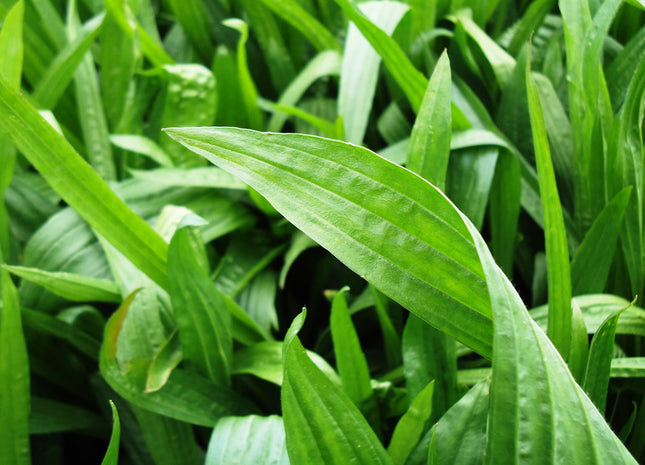
Plantain is a low-growing forb that, like chicory, is high in minerals. It also contains a natural antibiotic compound that helps reduce infections and also modifies rumen fermentation to improve animal performance, similar to an ionophore like Rumensin. It grows very well on compacted soils and helps loosen them.
from $5.00 per lb
-
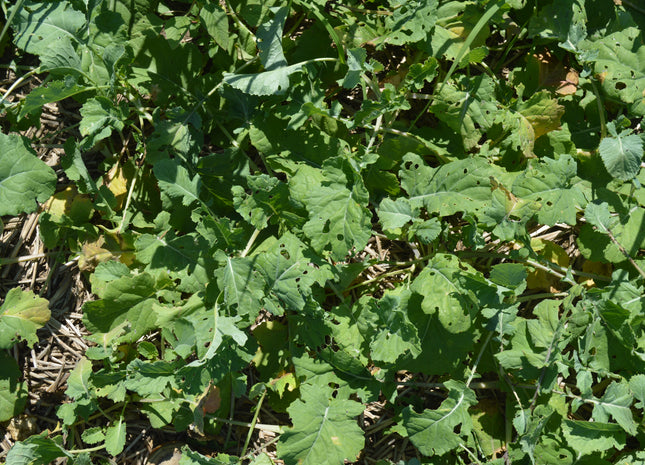
Kale (Bayou Kale-Rape Hybrid)
This hybrid plant is the product of blending two brassica parent plants: kale and forage rape. This innovative hybrid boasts a unique combination of qualities, harnessing the quick establishment capabilities of forage rape and the exceptional winter resilience of kale. The resulting kale-rape hybrid stands as a superior source of high-protein forage, tailor-made for winter grazing. Its accelerated growth, robust vigor, and resilience to harsh winter conditions make it an ideal choice for livestock feed.
from $3.00 per lb
-
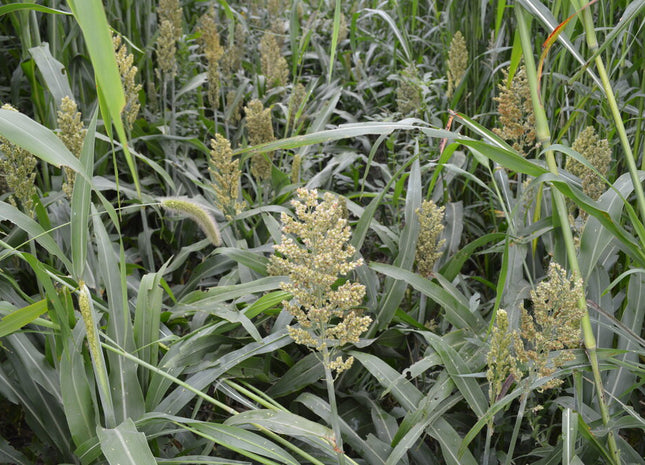
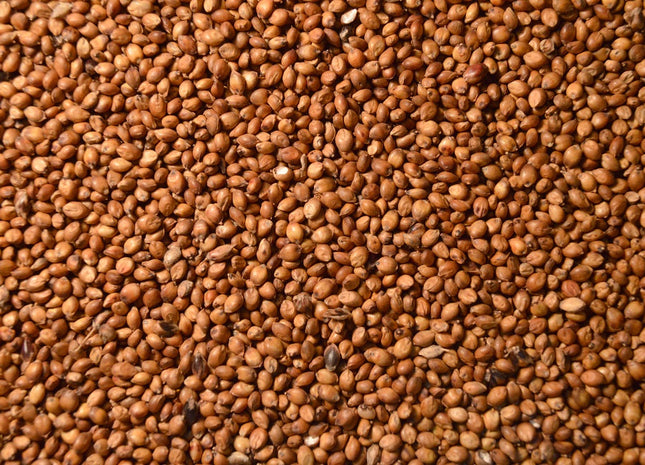
Grain Sorghum (Food Plot)
Grain sorghum provides an excellent opportunity for feeding wildlife. The grain heads, which mature in late summer to early fall will attract the wildlife species and provide superior nutrition. Grain sorghum is an excellent option for upland birds in particular.
from $3.05 per lb
-
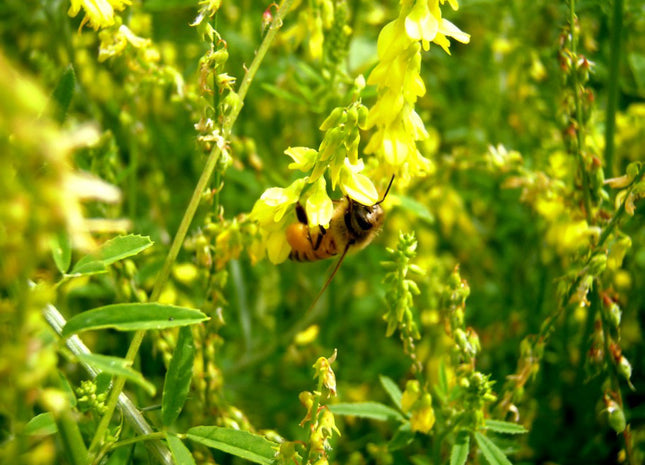
Sweet Clover (Yellow Blossom) - OMRI Inoculated
Yellow blossom sweet clover is not a true clover but is probably more closely related to alfalfa. Sweet clover leaves look much like alfalfa, but the margins of sweet clover leaflets are serrated around their entire edge whereas alfalfa is only serrated on the tip. It is typically a biennial, grows 2-6 feet high, and as the name implies, produces yellow flowers. When compared to the white flowering types of sweet clover yellow blossom blooms roughly 2 weeks earlier. It also matures earlier, usually grows less upright, possesses finer stems, and is less productive and less winter-hardy. However, yellow blossom sweet clover persists better in pastures and tolerate adverse conditions better than white varieties. In temperate climates with mild summers it can survive and thrive through a second year of production. Yellow blossom sweet clover adds lots of nitrogen and organic matter to a system.
from $3.75 per lb
-
Orchard Grass (Devour)
Orchardgrass is a bunchgrass that regrows well through the summer and fall compared to most cool season grasses. New varieties such as Devour are much more drought tolerant and less susceptible to rust. As a result, these varieties can be used in the Central Plains with good success. Orchardgrass is commonly seen in the wetter climates of the Eastern US and is a favorite among horse owners.
from $17.48 per lb
-
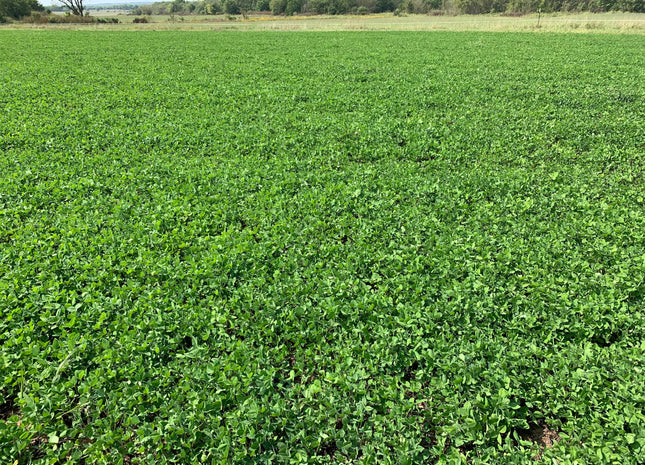
Red Clover (Blaze) - OMRI Inoculated
With similar forage yields, crude protein and better digestibility when compared to alfalfa, red clover can be an excellent forage alternative to add to your operation. You can harvest your first cutting 60-70 days after a spring seeding and on every 30-35 day intervals after initial harvest. With its vigorous spring growth, this clover has the capability of suppressing weeds. Red clover is less invasive than white clover because of its shorter life span and the lack of rhizome or stolon rooting structures. It's deep taproot can extend up to 3ft into the soil profile and finer rooting structure in the top 5" can really aid in breaking up compacted soils. Red clover flowers are known to attract many pollinator and beneficial insect species. If P leaching is a concern, red clover has been observed to leach only 1/3-1/5 the amount of P as ryegrass or radishes. Learn more about Blaze Red Clover here.
from $3.55 per lb
-
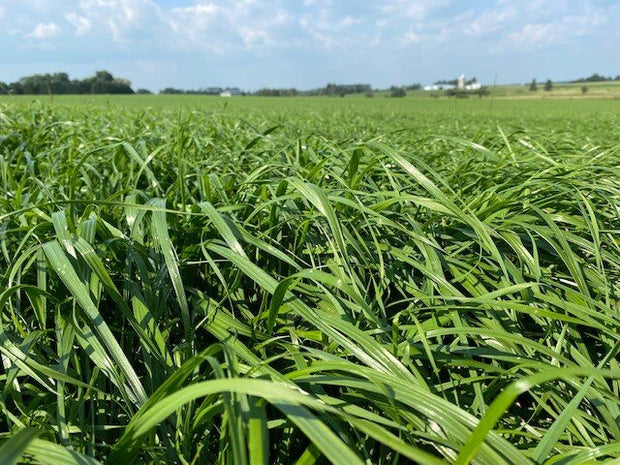
Perennial Ryegrass (Remington PLUS NE2 Endophyte)
Perennial Ryegrass is an extremely palatable cool season perennial forage source. While most perennial ryegrass lacks drought and heat tolerance, RemingtonPLUS, boasts improved ability to survive in hot and dry climates. The friendly endophyte associated with this ryegrass allows increased heat and drought tolerance. Perennial ryegrass is excellent quality forage and is a great option for grass finished livestock operations.
from $3.80 per lb
-
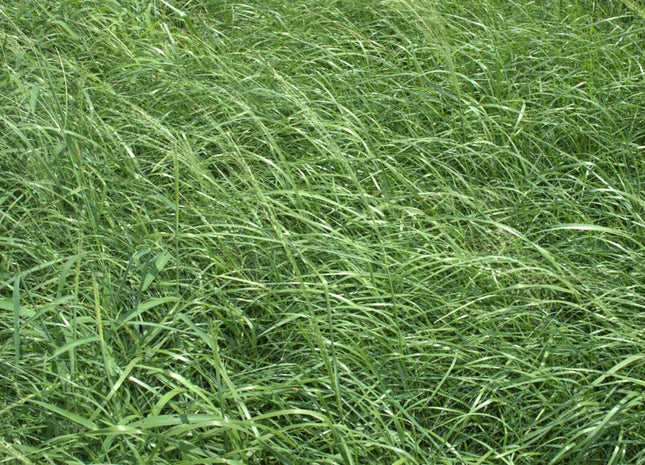
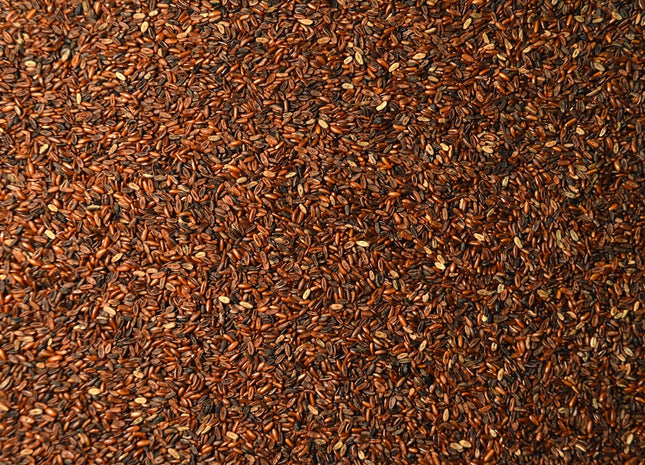
Teff Grass (HayMaker)
Teff makes a very palatable hay and is well accepted by all livestock types. Teff can be difficult to establish. It has a very tiny seed, much smaller than an alfalfa seed. It must be planted very shallow, about one-eighth of an inch deep, or seedlings will not emerge. Seedlings also need a week or so of moist soil to become established well enough to survive. This shouldn't be a problem with irrigation.
from $2.45 per lb
-
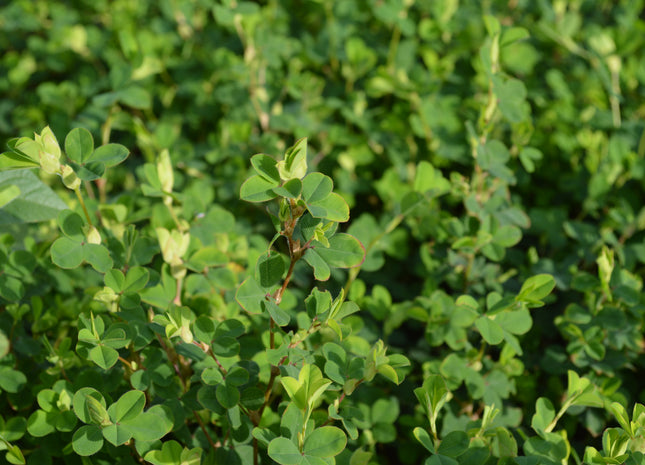
Korean Lespedeza
Korean lespedeza is a low growing, warm season, annual legume known for it's ability to tolerate acidic and low fertility soil. The plants do most of their growing in the months of July and August. Though not high yielding, Korean lespedeza is highly palatable and does not cause bloat. Korean lespedeza is small seeded and can be frost seeded or drilled into pastures in midwinter or early spring, emerging in summer. It can also be seeded into a growing wheat crop for a hay or pasture crop after wheat harvest.
from $2.05 per lb
-
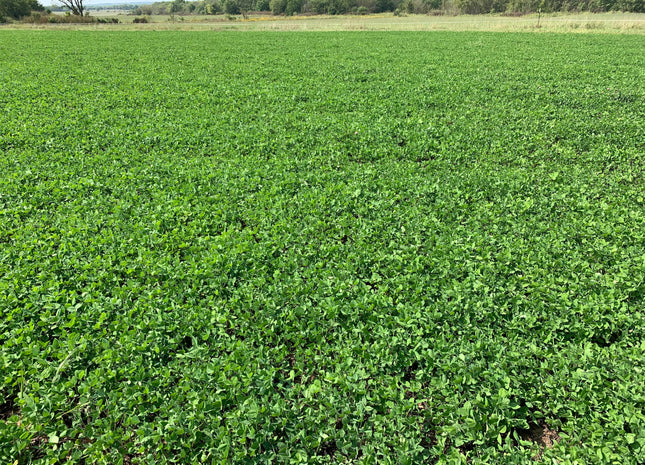
Red Clover (Q Medium) - OMRI Inoculated
With similar forage yields, crude protein and better digestibility when compared to alfalfa, red clover can be an excellent forage alternative to add to your operation. You can harvest your first cutting 60-70 days after a spring seeding and on every 30-35 day intervals after initial harvest. With its vigorous spring growth, this clover has the capability of suppressing weeds. Red clover is less invasive than white clover because of its shorter life span and the lack of rhizome or stolon rooting structures. It's deep taproot can extend up to 3ft into the soil profile and finer rooting structure in the top 5" can really aid in breaking up compacted soils. Red clover flowers are known to attract many pollinator and beneficial insect species. If P leaching is a concern, red clover has been observed to leach only 1/3-1/5 the amount of P as ryegrass or radishes.
from $3.55 per lb
-
Intermediate Ryegrass (TetraMag)
TetraMag intermediate ryegrass offers high forage tonnage with great feed value. This variety offers great tolerance. Use as a standalone grazing or haying forage, or utilize in addition with alfalfa or clover to offer a diverse feed for livestock. Planting can be done with a drill or broadcast as long as good seed to soil contact is achieved.
from $2.05 per lb
- Out of Stock
Organic Austrian Winter Peas
Note: This product is certified organic. Austrian winter peas are good companions to fall mixes, especially when combined with hairy vetch. If planted in early fall, there can be good growth for fall grazing as a protein source in the mix and they will grow much later into the fall than spring peas. In order to maximize winter survival chances, winter peas need to be planted relatively late (about the middle of wheat planting season) and deep, up to 3 inches. These conditions will help protect the growing point of the pea and assists in survival in colder climates.
from $1.00 per lb