Browse our extensive lineup of monoculture cover crop seeds.
Looking for a diverse cover crop mix? Browse Pre-Made Mixes or Food Plots.
Single Species Seed

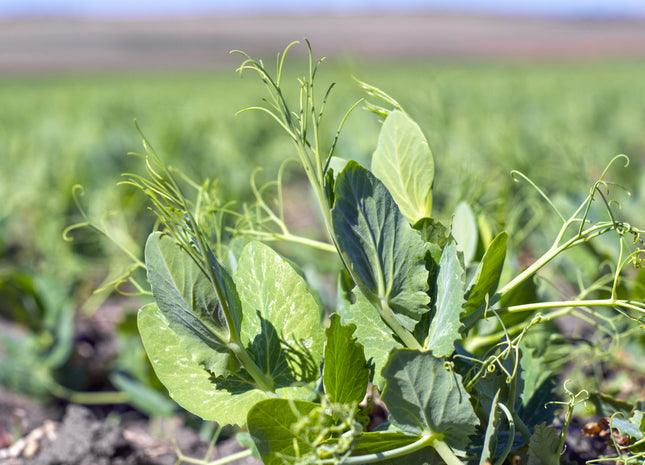
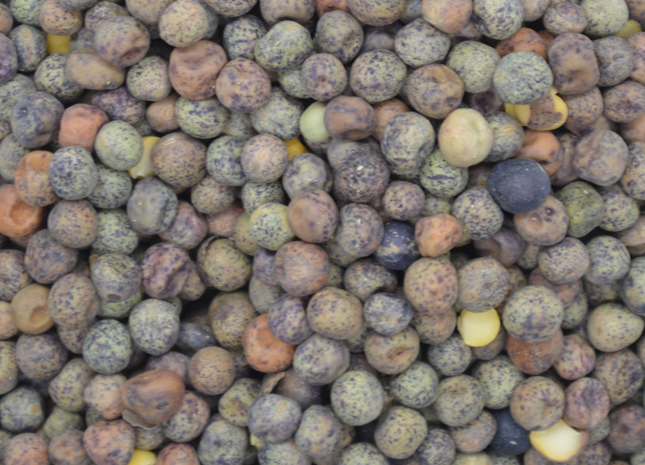
Winter Peas (Austrian)
Austrian winter peas are good companions to fall mixes, especially when combined with hairy vetch. If planted in early fall, there can be good growth for fall grazing as a protein source in the mix and they will grow much later into the fall than spring peas. In order to maximize winter survival chances, winter peas need to be planted relatively late (about the middle of wheat planting season) and deep, up to 3 inches. These conditions will help protect the growing point of the pea and assists in survival in colder climates.
from $0.80 per lb
-
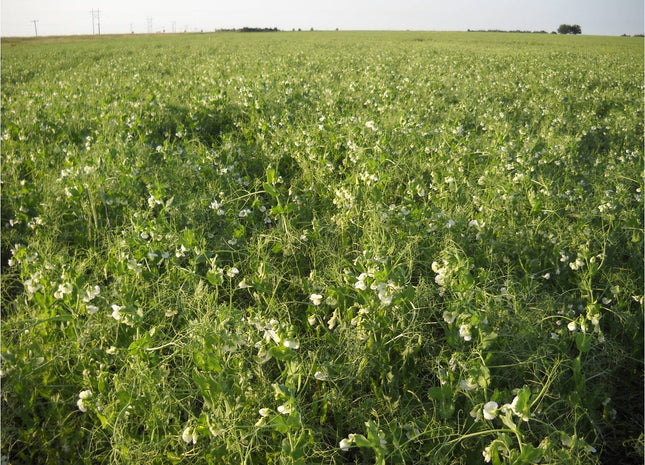
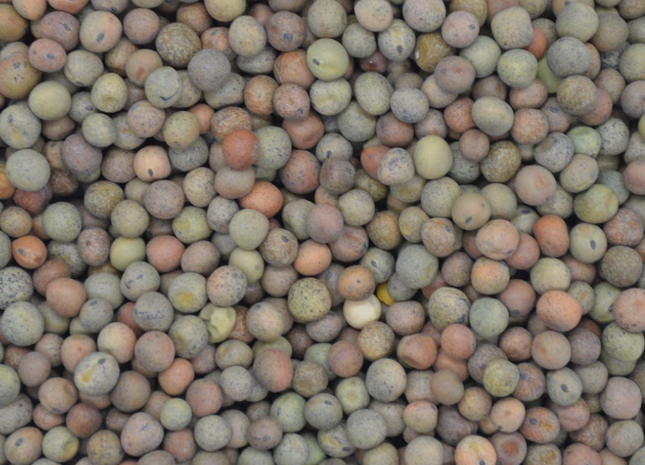
Spring Forage Pea (4010 Non-GMO)
Spring peas are one of the fastest growing spring legumes. Planted in spring after the harshest winter cold has passed, spring peas will tolerate some light freezing. Peas are commonly planted with oats as a high quality spring feed either for hay or grazing, or even a green manure. Peas work well in a mix as they will climb other plants to access sunlight. These legumes will also contribute to nitrogen fixing.
from $0.55 per lb
-
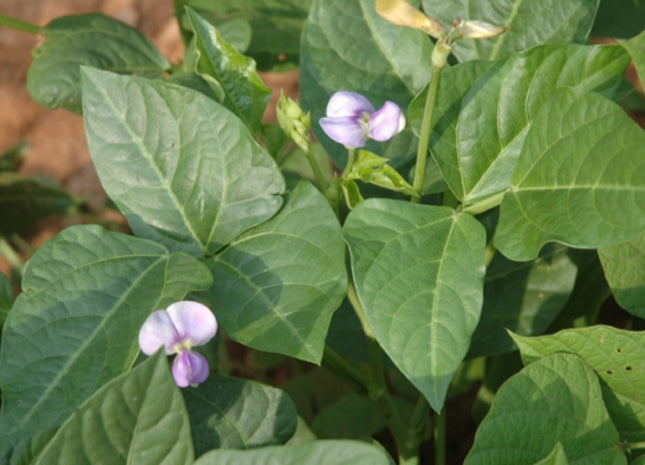
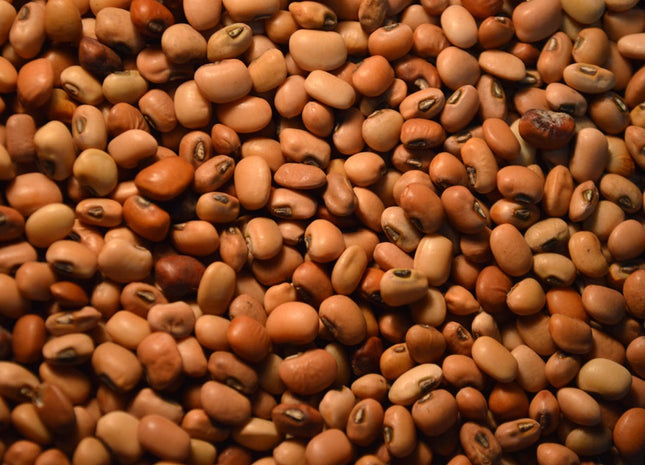
Cowpeas (Iron & Clay)
Cowpeas are one of the most popular warm season legumes. They love the heat, they tolerate drought, and they offer nitrogen fixation in a soil building mix, or higher protein in an annual grazing mix. The Iron & Clay have a long maturity which means when they are planted at the beginning of summer, they can achieve a lot of growth before temperatures cool down into fall. These cowpeas are also very viny so they will climb on other plants if planted in a mix.
from $1.21 per lb
-
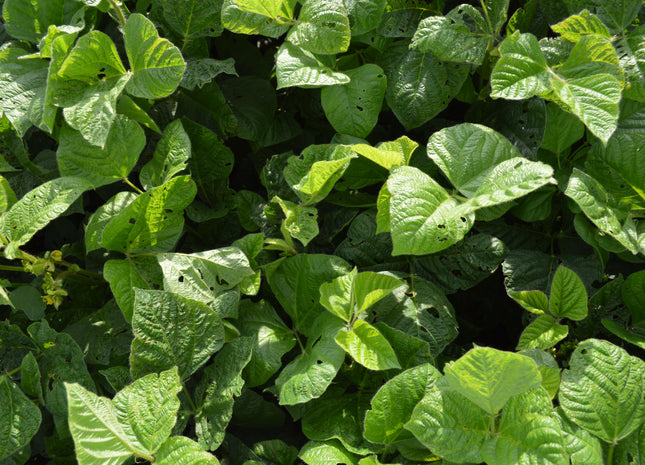
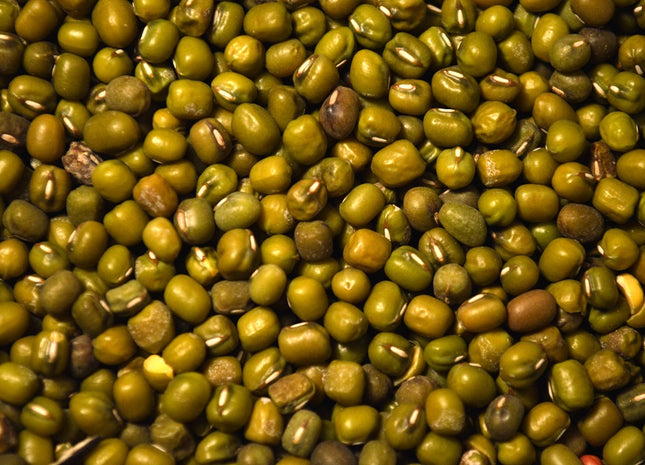
Mung Beans
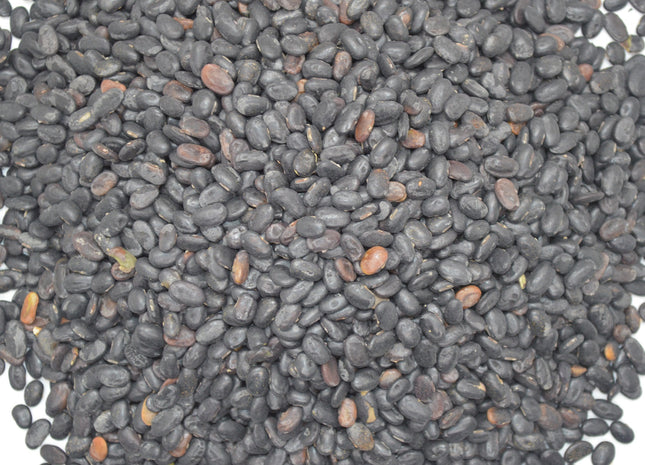
Mung beans are a warm-season legume known for their remarkable heat tolerance and drought resistance. They exhibit rapid growth, maturing in just 65 days. One advantage of mung beans over cowpeas is that their seed pods remain intact, unlike cowpeas, making them an excellent source of late-fall protein for grazing livestock or wildlife. However, it's important to note that mung beans are highly susceptible to cold weather and require a minimum of 60 frost-free days to ensure successful growth. They can be used for both hay production and grazing and are compatible with peanut inoculant. Mung beans typically reach a height of around 3 feet and have a low to medium water usage. Their strengths lie in nitrogen fixation, forage production, and hay production.
from $1.36 per lb
-
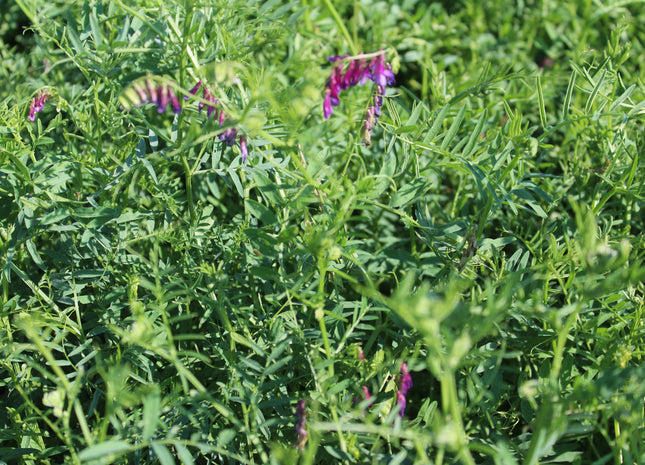
Hairy Vetch (Winter Warrior)
Hairy vetch is the most cold tolerant winter annual legume. Tolerating temperatures as low as -30 degrees, this is best planted before the first frost in the fall and then it will resume growth in the spring. Winter Warrior in particular is extremely cold tolerant because the seed is grown in places like Canada, Montana and South Dakota where it needs to survive some of the harshest winters. This variety is also facultative meaning it can be planted in the spring and grow to full maturity without having to go through a winter vernalization period. Hairy vetch is slower to green up and has slower spring growth compared to cereal rye and wheat but once it does get going, it grows very fast, doubling it’s growth each week through the month of May. With patience and a delayed corn planting, a full stand of vetch can consistently produce over 200 lbs of nitrogen in its biomass. As part of a winter cover crop or forage mix, vetch is commonly grown with rye or triticale.
from $2.54 per lb
-
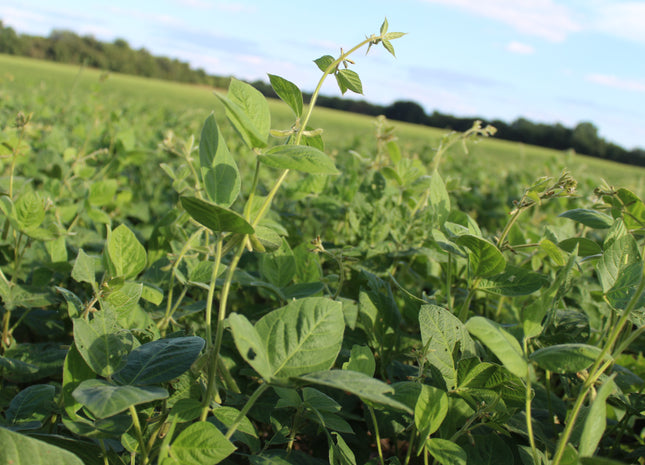
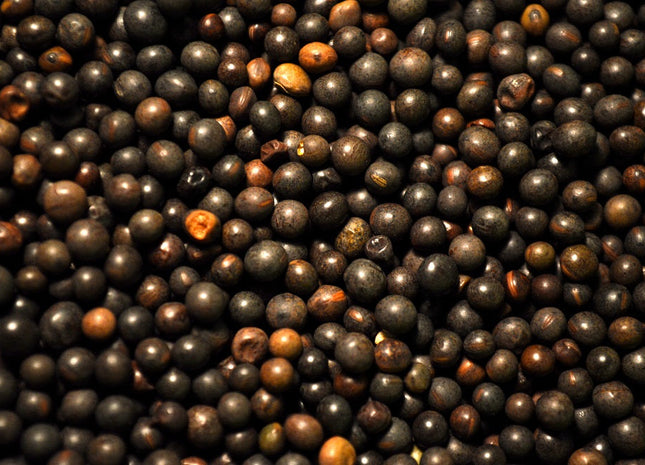
Forage Soybeans (Laredo)
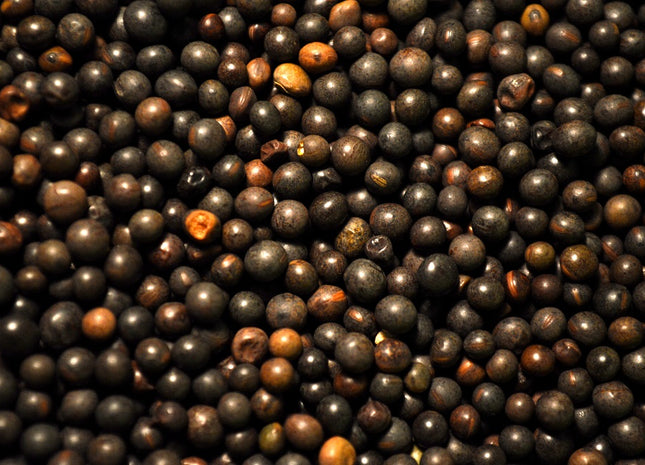
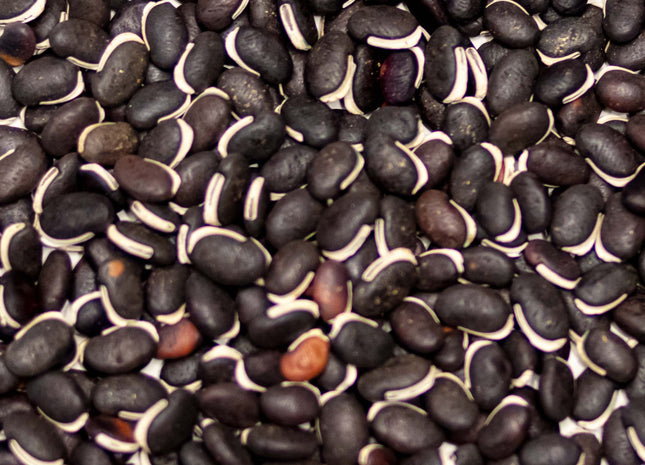
Laredo Soybeans are an older soybean variety that is distinguishable from most other soybean varieties since the seed is black in color. This non-GMO forage soybean is an excellent addition to grazing and haying mixes. If you already use soybeans in your rotation, however, we recommend staying away from the forage soybeans as they can carry disease that could affect your soybean crop.
from $1.60 per lb
-
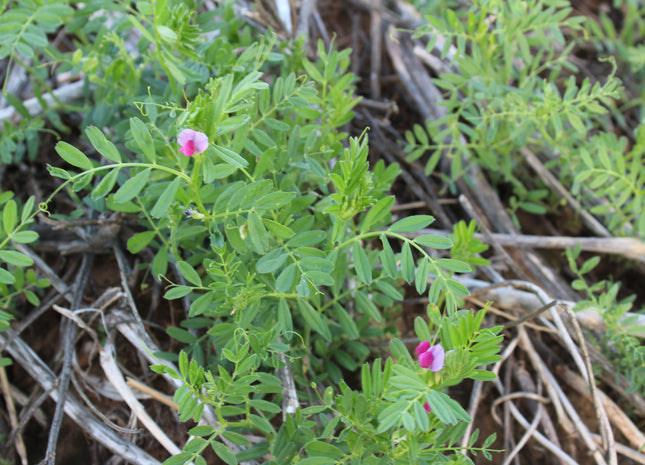
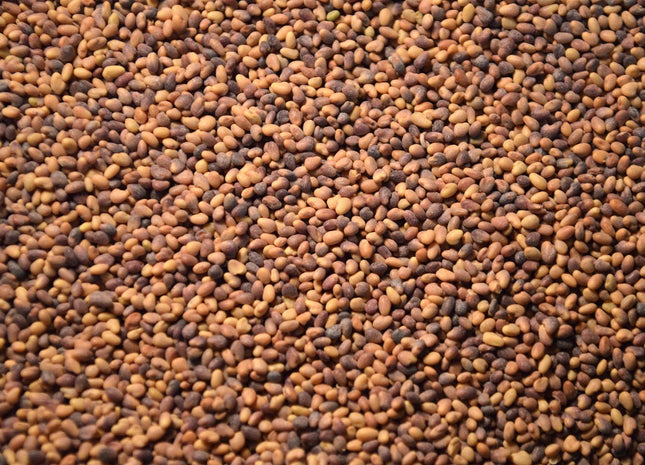
Common Vetch
Common vetch is a valuable cover crop widely used in the industry. As a leguminous plant, it provides nitrogen fixation, improving soil fertility. The extensive root system prevents erosion and helps control weeds. It enhances soil quality by adding organic matter, supports crop rotation systems, and provides early-season ground cover. Additionally, it can serve as a habitat for wildlife and, in some cases, offer forage for livestock. Common vetch's cold tolerance makes it suitable for various climates, but it is not nearly as cold tolerant as hairy vetch.
from $1.75 per lb
-
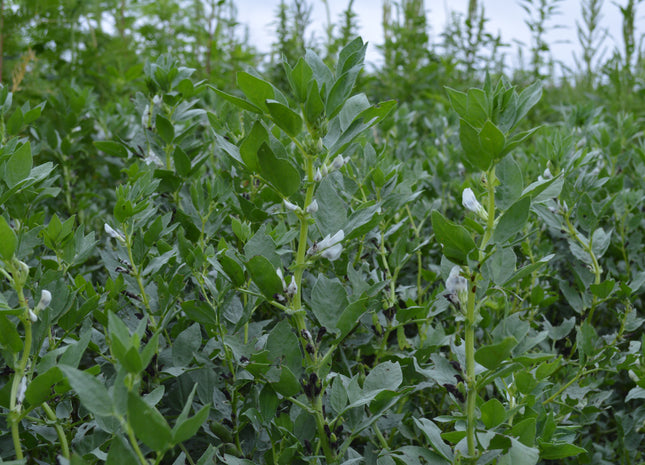
Faba Bean
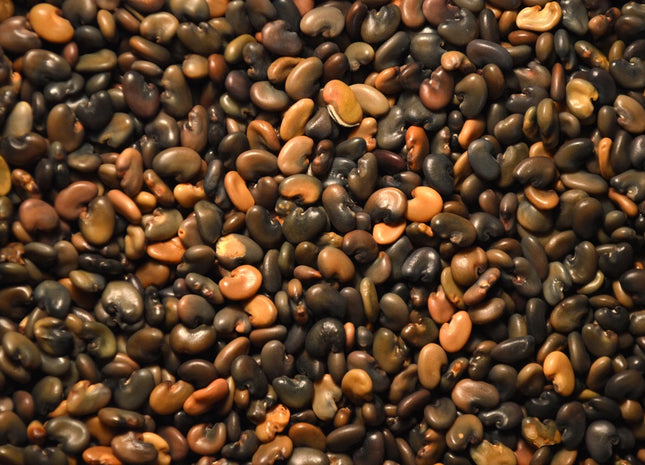
Faba beans are one of the oldest plants under cultivation, having been grown in ancient Greece and Rome. Unlike other beans, they can tolerate cool, wet soils. While they may not overwinter in much of the US, they can survive a light frost which is advantageous if planted in a fall or spring mix. As a legume, these beans will fix nitrogen in the soil for other plants to use. Their tremendous root system will help break compaction and hold soil in place. Faba beans do not like heat and when the plants die they turn black.
from $0.85 per lb
-
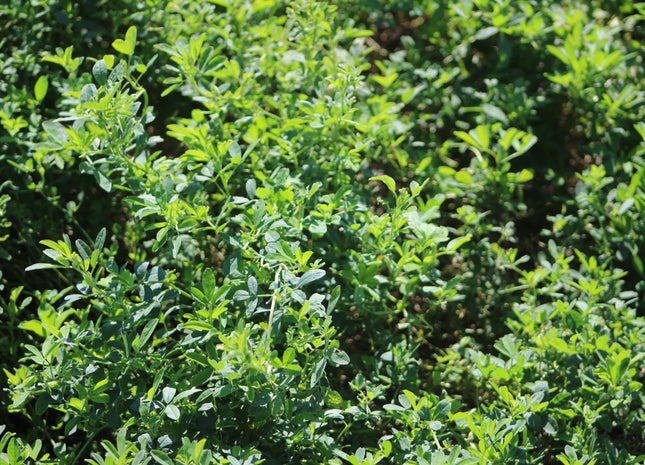
Alfalfa (Vernal) - OMRI Inoculated
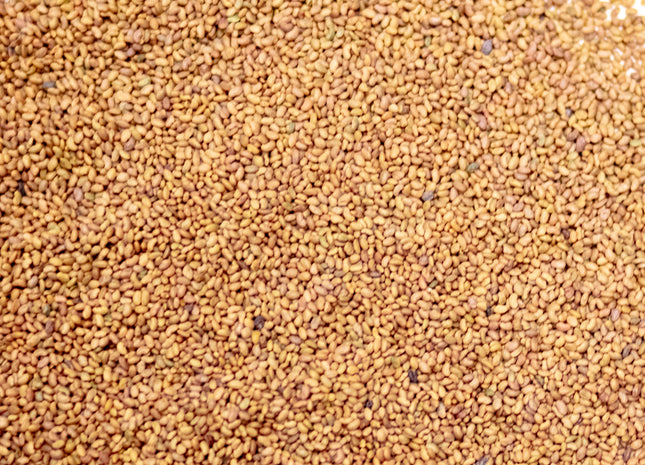
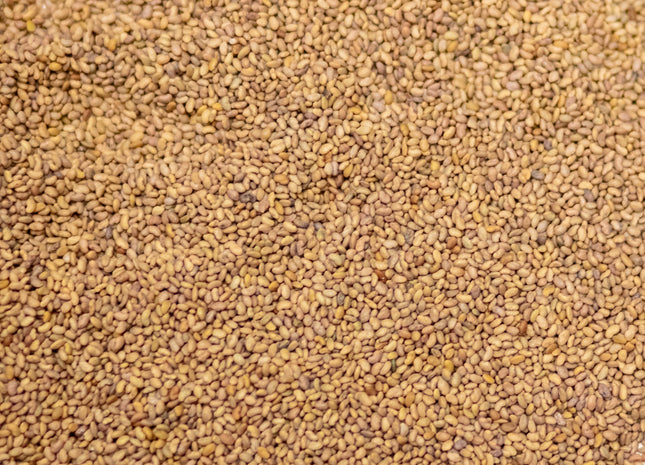
Alfalfa is the most common and most productive perennial legume. It is usually used as a perennial monoculture for hay but at low rates and with good rotational grazing, alfalfa can also be used in pasture mixes to boost diversity and animal performance.
from $3.25 per lb
-
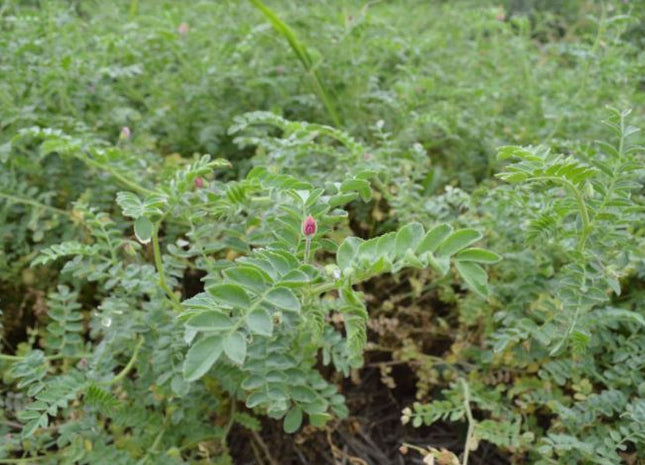
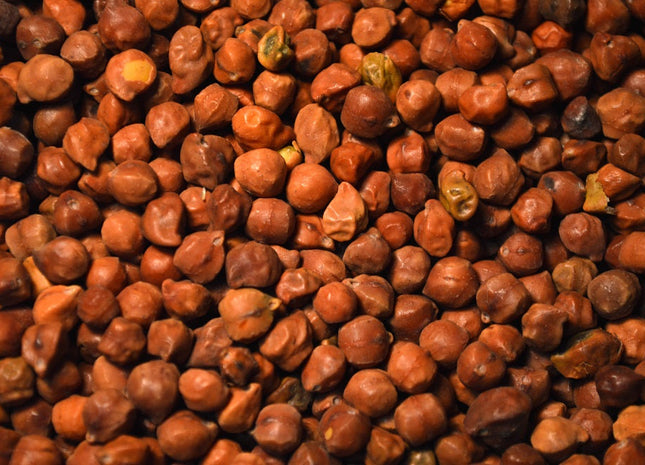
Chickpeas (Desi)
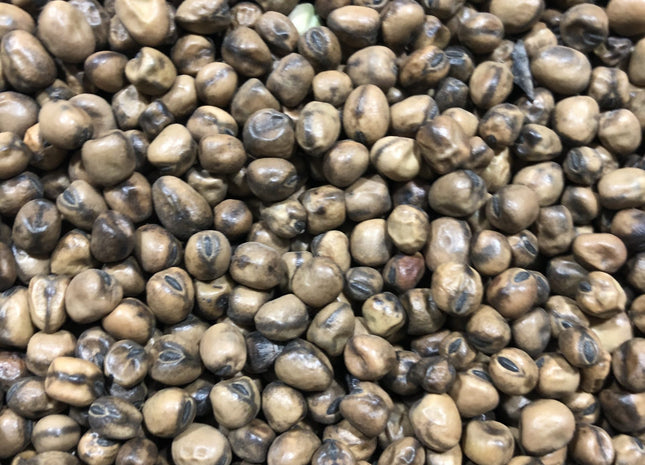
As the most heat tolerant of the cool season legumes, chickpeas offer a versatility that can be used in both warm and cool season mixes. Though not a great biomass producer, chickpeas are very drought tolerant and can help cover the ground in the midst of a summer drought. This taprooted plant can be used with grasses to add diversity and help break up compaction. As a legume, chickpeas will also fix nitrogen into the soil. Desi chickpeas have a smaller seed size so they blend well in a cover crop mix.
from $0.80 per lb
-
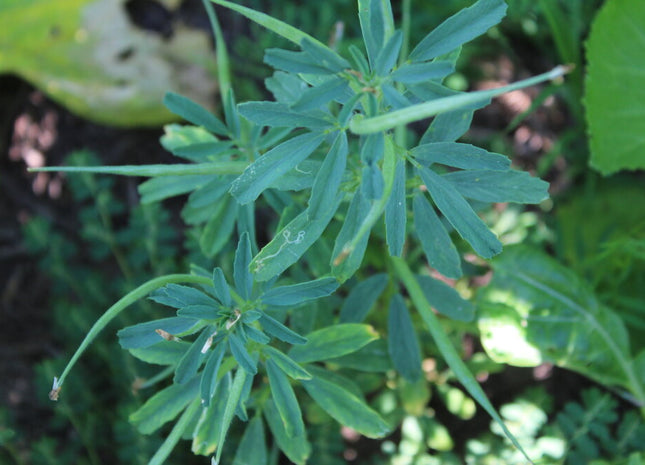
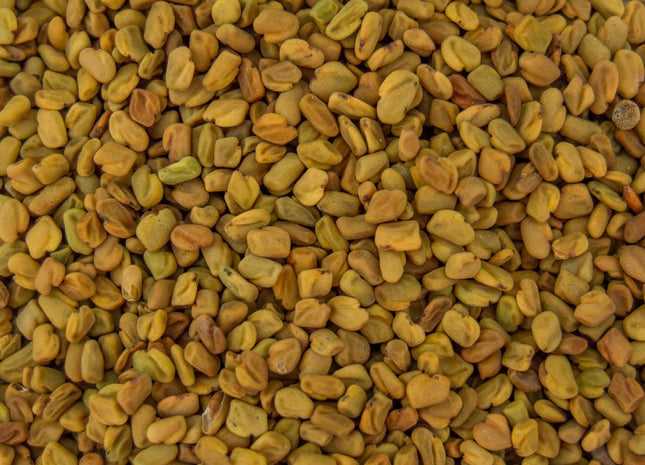
Fenugreek - OMRI Inoculated
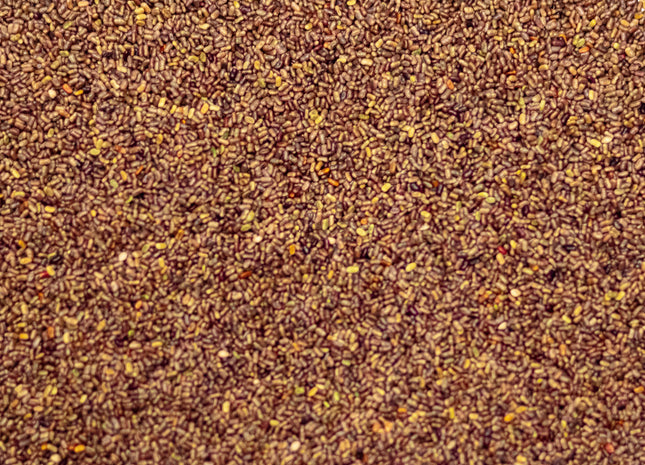
The name Fenugreek literally means "Greek Hay" and is used across the globe as a highly productive forage for livestock. Fenugreek is commonly used in pastures and haying situations due to it's livestock health benefits including promoting reproductive and digestive health. In fact, some of the top soil scientists in the world recommend adding fenugreek to every livestock diet. This plant looks similar to clover with flowers resembling common peas. As a warm season plant, fenugreek loves sunlight and heat and makes a great addition to any warm season mix for its grazing and nitrogen-fixing characteristics. *Please note this is NOT food grade seed and is NOT recommended for human consumption.
from $1.89 per lb
-
Hairy Vetch (MT)
Hairy vetch is one of the most winter hardy legumes. Being more winter hardy than common vetch, hairy vetch has the potential to withstand temperatures as low as -20F. This species is known to have a great rooting system, with a tap root that will extend 1 to 3 feet into the soil profile. This taproot will allow the vetch to thrive even in dry conditions. When hairy vetch is placed into a mix, it can help bring the C:N ratio of the mixture down. This reduces the risk of nitrogen immobilization for the next crop.
from $2.54 per lb
- Out of Stock
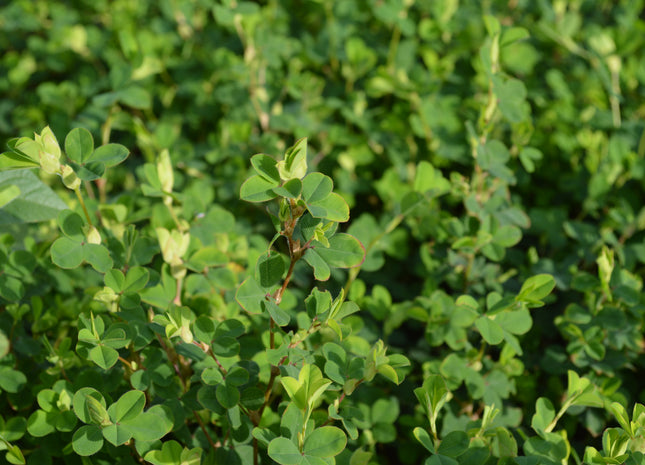
Korean Lespedeza
Korean lespedeza is a low growing, warm season, annual legume known for it's ability to tolerate acidic and low fertility soil. The plants do most of their growing in the months of July and August. Though not high yielding, Korean lespedeza is highly palatable and does not cause bloat. Korean lespedeza is small seeded and can be frost seeded or drilled into pastures in midwinter or early spring, emerging in summer. It can also be seeded into a growing wheat crop for a hay or pasture crop after wheat harvest.
from $2.05 per lb
-
Lab Lab (Highworth)
Lab lab is a highly palatable warm season legume native to Africa and Asia. It loves hot and dry conditions and is generally used as forage for livestock or in a food plot situation. Lab lab looks similar to a soybean plant, but generally grows taller and can be quite dense due to it's vining growth pattern.
from $1.95 per lb
-
Aeschynomene (American Joint Vetch)
Aeschynomene, or American joint vetch, is a highly palatable warm season annual legume. Also known as deer vetch, joint vetch is particularly popular among food plot enthusiasts as it attracts wildlife such as whitetail, wild turkey, and bobwhite quail. American joint vetch not only provides excellent nutrition for large animals, but also excellent habitat for game birds. American joint vetch is an excellent way to add diversity to a mix and increase nitrogen fixing capabilities. This plant thrives in acidic, low fertility and wet soils and exhibits natural resistance to pest and disease.
from $7.55 per lb
-
Non-GMO Soybeans (KS5120NS)
These non-GMO soybeans are an excellent addition to a summer grazing crop, a post-small grain nitrogen fixing crop, or as a food plot for wildlife. It's a group 5 bean with indeterminate growth habit so the forage production potential is very high. This is a great, high protein forage for livestock.
from $1.00 per lb
-
Alfalfa (MVS Majestic) - OMRI Inoculated
Majestic alfalfa is a Mountain View Seed variety bred for quality and yield. This is a great variety to use in areas with a hard pan and/or a high water table as it expresses branch root trait. The sunken crown makes it ideal for grazing situations and areas with harsh winters. Majestic comes with an excellent disease resistance package and is rated 1.5 for winter hardiness and 3.9 for fall dormancy.
from $5.85 per lb
-
Organic 4010 Spring Forage Pea
Note: This products is certified organic. Spring peas are one of the fastest growing spring legumes. Planted in spring after the harshest winter cold has passed, spring peas will tolerate some light freezing. Peas are commonly planted with oats as a high quality spring feed either for hay or grazing or even a green manure.
from $0.80 per lb
-
Sunn Hemp (Crescent Sunn)
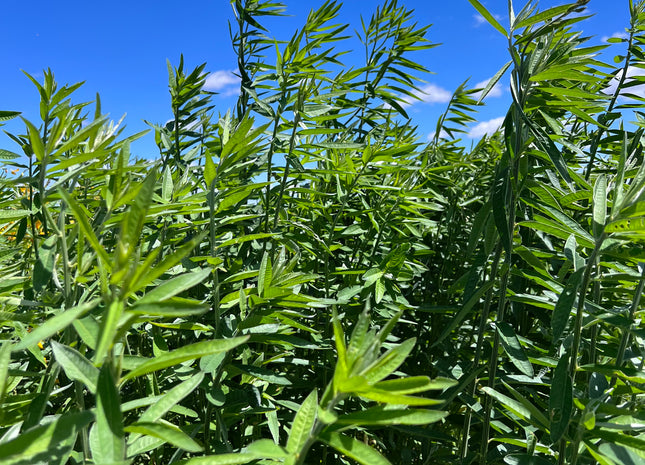
Sunn hemp is an erect, tall growing warm-season legume with an anchoring tap root. Sunn hemp is a tropical plant so it thrives in the heat. It's deep taproot helps it access water and nutrients deep in the soil profile and works with bacteria to fix nitrogen. The leaves are high in protein for grazing and especially popular with small ruminants like sheep, goats, and deer, but cattle will also eat the leaves. It's long growing season also makes it a great addition to grazing mixes. Due to toxicity concerns we do NOT recommend grazing sunn hemp as a monoculture. The stalk is very lignified making this a poor species to use in a hay mix.
from $2.00 per lb
-
Alyce Clover
Alyce clover is an excellent option for livestock and wildlife alike. Highly palatable and high yielding, this plant provides excellent forage. Despite it's name, alyce clover is not a true clover, but rather a warm season legume. This is an excellent option for summer forage, added to a warm season grazing mix, or as a wildlife food plot.
from $5.05 per lb
-
Alfalfa (MVS 4220Q) - OMRI Inoculated
This improved alfalfa variety from Mountain View Seed is bred for superior performance in yield, persistence, and quality. 4220Q is an excellent option for alfalfa growers across the country with high resistance to stem nematode and spotted alfalfa aphid, as well as resistance to pea aphid. This variety has a fall dormancy rating of 4 and a winter hardiness rating of 2.
from $5.85 per lb
-

Serradella
Serradella, also known as common bird's foot is a cool season legume used for livestock forage and as a cover crop. This plant develops an extensive root system that can help break compaction, scavenge for nutrients, and improve soil organic matter. Serradella can be added to grazing mixes for a variety of animals as it is highly palatable with a low bloat potential. This plant handles acidic soils very well, but is not recommended for extremely wet or highly alkaline soils. It's flowers and seed provide an excellent food source for insects and wildlife.
from $2.28 per lb
-

Sunn Hemp (Mini Red)
Mini Red sunn hemp is an erect legume with an anchoring tap root. The Mini Red variety is shorter compared to common sunn hemp. The leaves are high in protein for grazing and especially popular with small ruminants like sheep, goats, and deer, but cattle will also eat the leaves. The stalk is very lignified making this a poor species to use in a hay mix.
from $3.10 per lb
-
Spring Lentil (Green)
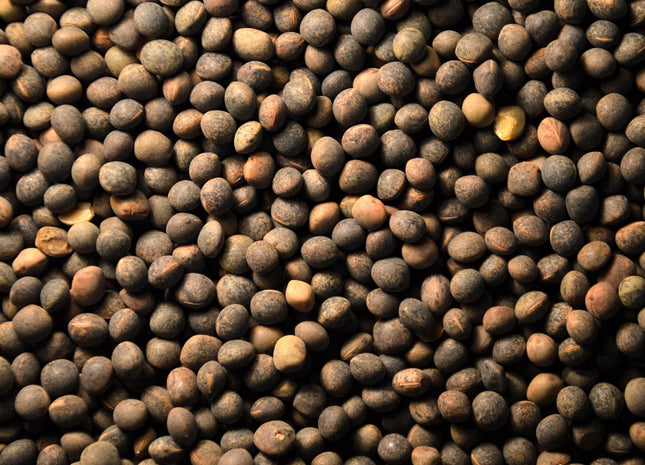
These green spring lentils thrive in cool, dry conditions where they can remain relatively free of disease, hence they are commonly grown in the northern Great Plains. With a shallow rooting structure that doesn't have the ability to reach subsoil moisture, lentils are a great option in front of cereals or deep rooting crops. If excessive moisture is present during the growing season it will delay plant maturity. This will be excellent for producers who want to plant a summer fallow mixture where the mix can continue to grow under ideal conditions. Lentils are known for their ability to emerge through thick cereal stubble due to their strong seedling vigor. With rapid seed germination, seedlings generally out grow the threat of insects or disease pressure during establishment. Lentils can also house mycorrhizal fungi. Mature lentil straw can be an option for feed as it is much higher in crude protein, digestibility and palatability when compared to cereal straws.
from $0.95 per lb
- Out of Stock
Organic Austrian Winter Peas
Note: This product is certified organic. Austrian winter peas are good companions to fall mixes, especially when combined with hairy vetch. If planted in early fall, there can be good growth for fall grazing as a protein source in the mix and they will grow much later into the fall than spring peas. In order to maximize winter survival chances, winter peas need to be planted relatively late (about the middle of wheat planting season) and deep, up to 3 inches. These conditions will help protect the growing point of the pea and assists in survival in colder climates.
from $1.00 per lb