Browse our extensive lineup of monoculture cover crop seeds.
Looking for a diverse cover crop mix? Browse Pre-Made Mixes or Food Plots.
Single Species Seed

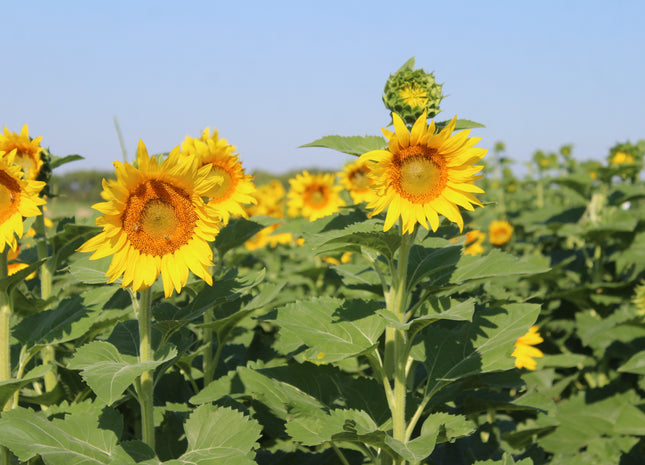
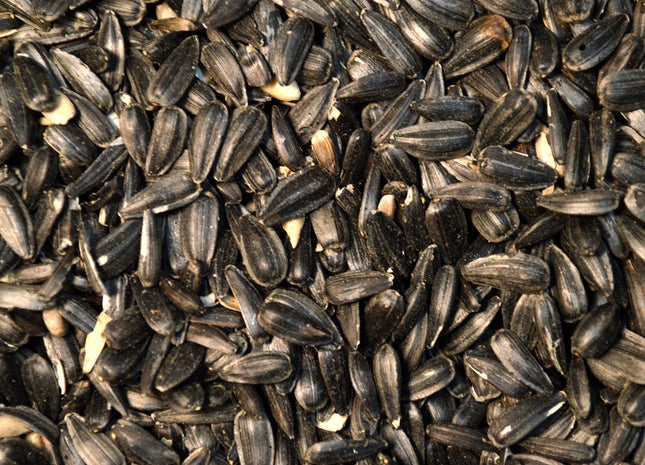
Sunflower (Black Oil)
Sunflower is renowned for its extensive and prolific root system and its ability to soak up residual nutrients out of reach for other commonly used covers or crops. This species can also take advantage of short growing seasons in case of damaging hail or poor emergence to cash crops. If planning to harvest for oil or seed or simply to attract birds, sunflowers have very similar planting and harvesting methods to that of corn. Because insects are attracted to the bright colors of sunflower heads, pollinators and beneficials such as bees, damsel bugs, lacewings, hoverflies, minute pirate bugs, and non-stinging parasitoid wasps are often found in fields of sunflower and in following crops. Sunflowers also work very well in cover crop cocktails/mixtures. With rapid early season establishment, additional covers under the canopy that normally don’t grow under cool conditions can begin to take advantage of warmer and favorable weather when sunflowers are growing slower. With upright growth and anchored plants in the soil, surrounding vining/climbing cover crop plants can support their own growth by working their way up to reach sunlight thereby providing the structure they need to grow. Because sunflowers can add significant biomass production in just a short growing season, they can also serve as additional forage or silage for livestock feed.
from $0.90 per lb
-
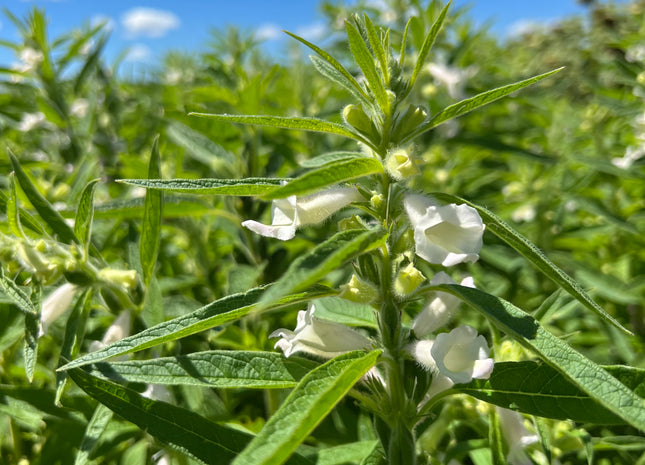
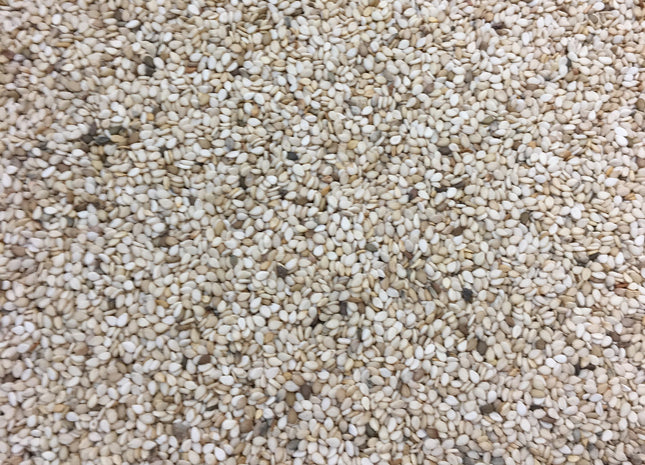
Sesame
Sesame is a warm season broadleaf that is normally grown for the oil content of the seed. It is one of the oldest cultivated plants and has been grown by people for over 4,000 years. Sesame loves hot weather and can grow with very limited water as well as being fairly tolerant of low pH soils. Sesame can grow 5-6 tall and will put on bell-shaped, white and purple flowers late in the season which makes it a great addition to a full season pollinator mix. Sesame has little to no forage value as livestock will not graze it, but it can still be a good addition to a grazing mix so there is some taller standing structure after the cattle have grazed the paddock.
from $2.15 per lb