Broadleaves

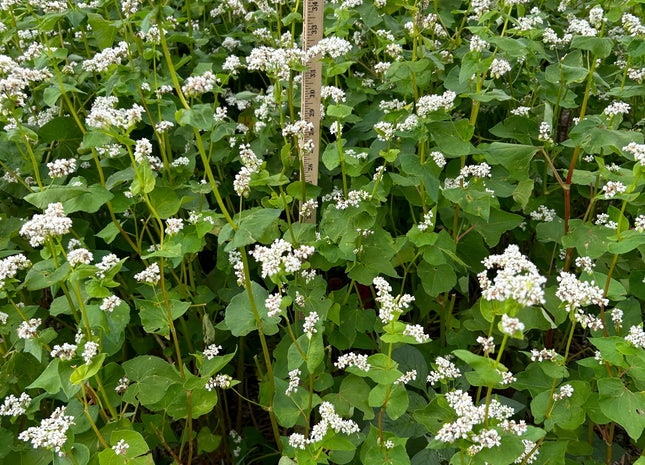
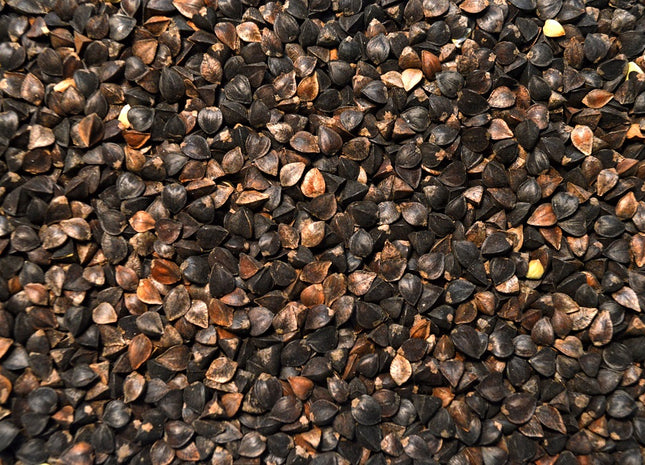
Buckwheat (Mancan)
Buckwheat is a fast establishing broadleaf that works great as a warm season cover crop. Buckwheat is also known for being a phosphorus scavenger. This means it can take up phosphorus more efficiently than other plants. Being a short season plant with 45-60 day maturity, it can produce viable seed throughout the growing season. This reseeding ability helps it suppress weeds. Additionally, buckwheat is fast to flower, making it a great species for pollinators. Buckwheat can be a great addition to grazing mixes as well.
from $1.05 per lb
-
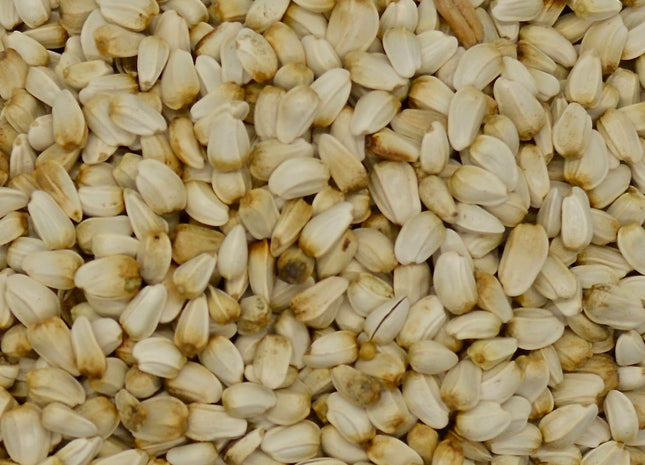
Safflower (Baldy)
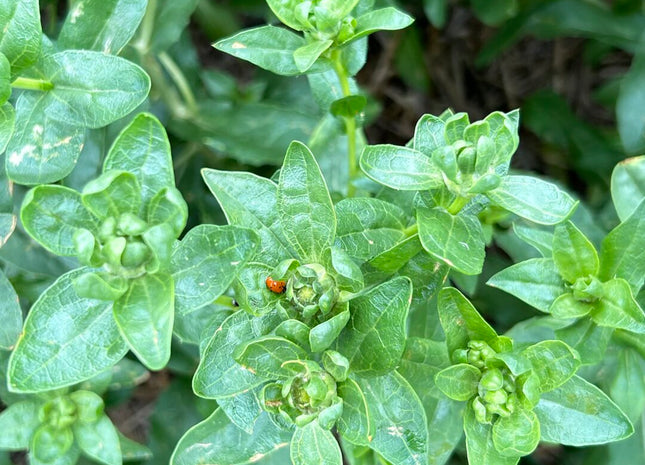
Safflower is a drought tolerant, warm season broadleaf that provides excellent forage for livestock. Most varieties or safflower become prickly with maturity, rendering the plants unpalatable for livestock, but Baldy Safflower is a spineless variety developed specifically for grazing and cover crops. Baldy can be handled with bare hands even at maturity and is palatable for livestock grazing. In addition to it's grazing capabilities, safflower is exceptional at breaking hard pans, encouraging water and air movement into the soil profile, as well as scavenging nutrients from depths unavailable to most agronomic crops. It's impressive taproot which has been observed to grow 8-10 feet in ideal conditions.
from $0.85 per lb
-

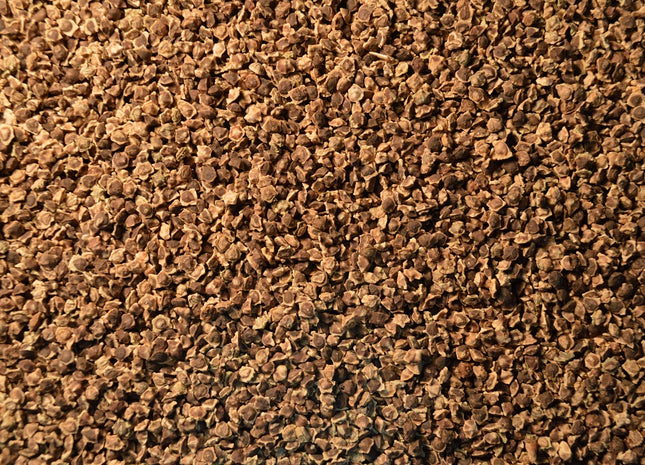
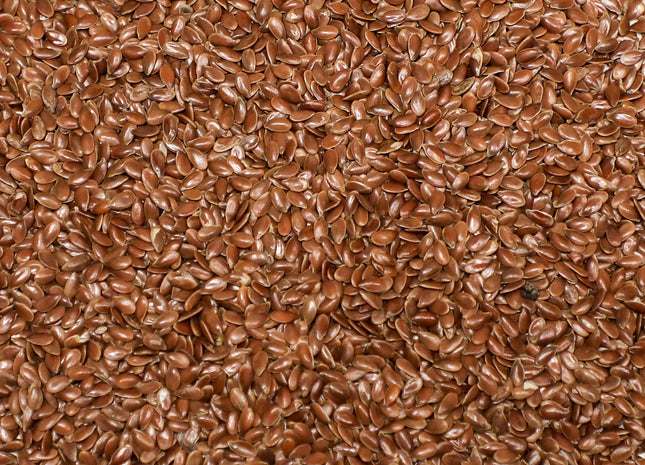
Flax (Brown)
Flax can be utilized in many small grain and corn rotations as a potential cover crop or fiber/oil crop. Compared to other common crops, overall nutrient demand is lower and very little nitrogen is needed. Vegetative growth normally requires 50 days before flowering occurs but after this flowering can last 2-4 weeks. Flax can be utilized as a green manure if terminated early enough but take caution if attempting to cut too late as lignin/cellulose content increase with maturity and would hamper decomposition. Nearly 95% of the water flax extracts from the soil is in the top 2-3 feet because of its shallow root structure. Water use is considered moderate with respect to other field crops, but flax uses about 3-4 inches less than soybeans. This is primarily due to the fact that the leaves of flax are generally numerous but leaf area is limited and thus ET is lower. As mentioned before, this species is an excellent companion crop next to other species in an early season mixture. Flax is generally a self-pollinated crop but pollinating insects are attracted to the various blue/purple colors of the flowers. Because flax is a broadleaf species, most diseases associated with it will not transfer over and cause infection to corn, soybeans, or wheat with the exception of powdery mildew and rhizoctonia after legumes.
from $1.15 per lb
-
Sugar Beets Non-GMO
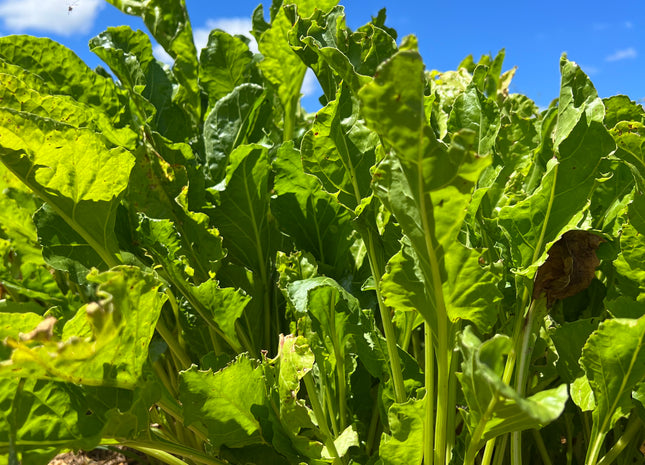
Sugar beets, a versatile broadleaf plant, bring a deep taproot and ample frost resistance to your cover crop arsenal. Their robust taproots can penetrate stubborn hardpans, with the majority of root growth hidden beneath the surface. These carbohydrate packed plants are a preferred choice for both wildlife and livestock. When grazed early, they display remarkable regrowth potential.
from $4.05 per lb
-
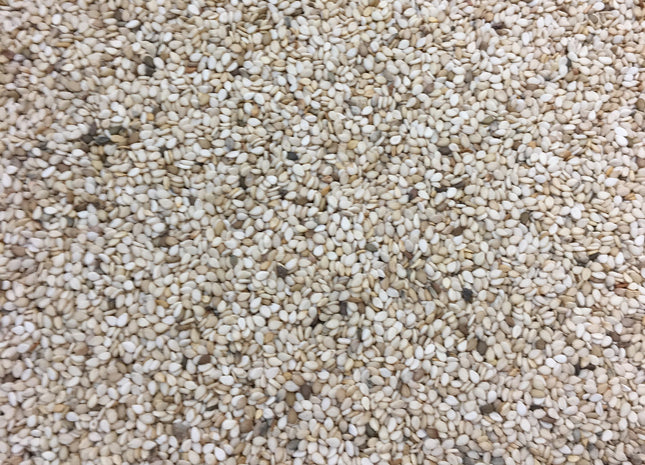
Sesame
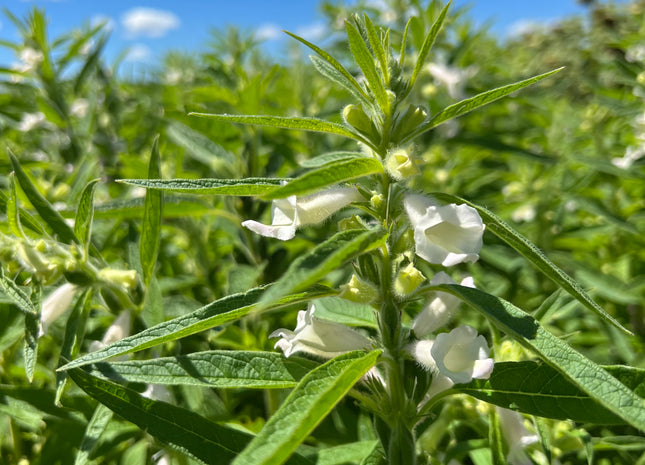
Sesame is a warm season broadleaf that is normally grown for the oil content of the seed. It is one of the oldest cultivated plants and has been grown by people for over 4,000 years. Sesame loves hot weather and can grow with very limited water as well as being fairly tolerant of low pH soils. Sesame can grow 5-6 feet tall and will put on bell-shaped, white and purple flowers late in the season which makes it a great addition to a full season pollinator mix. Sesame has little to no forage value as livestock will not graze it, but it can still be a good addition to a grazing mix as left over residue.
from $2.15 per lb
-
Organic Mancan Buckwheat
Note: This product is certified organic. Buckwheat is a fast establishing broadleaf that works great as a warm season cover crop. Buckwheat is also known for being a phosphorus scavenger. This means it can take up phosphorus more efficiently than other plants. Being a short season plant with 45-60 day maturity, it can produce viable seed throughout the growing season. This reseeding ability helps it suppress weeds. Additionally, buckwheat is fast to flower, making it a great species for pollinators. Buckwheat can be a great addition to grazing mixes as well.
from $1.20 per lb
-
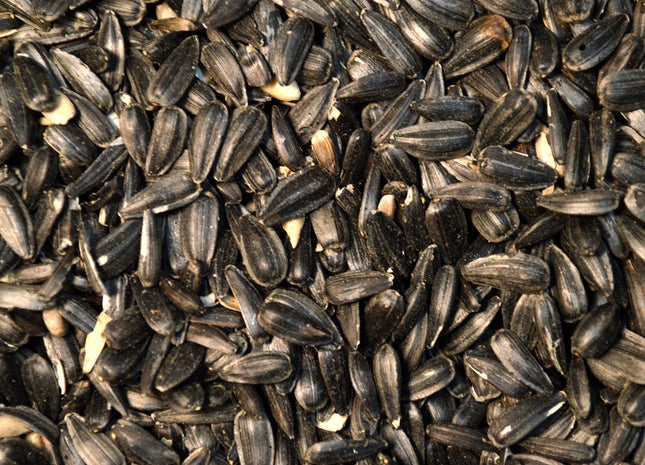
Sunflower (Peredovik Type)
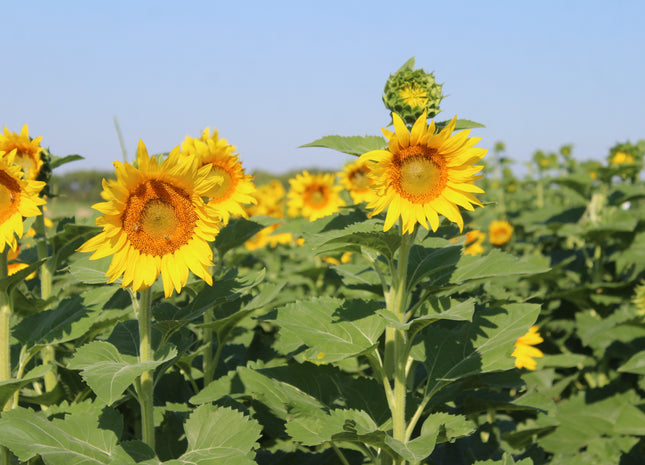
Sunflower is renowned for its extensive and prolific root system and its ability to soak up residual nutrients. Sunflowers work very well in cover crop mixtures. With rapid early season establishment, additional covers under the canopy that normally don’t grow under cool conditions can begin to take advantage of warmer and favorable weather when sunflowers are growing slower. With upright growth and anchored plants in the soil, surrounding vining plants can support their own growth by working their way up to reach sunlight thereby providing the structure they need to grow. Livestock love these young plants and the mature seed heads make a great feed source as well. Beneficial pollinators are attracted to the bright colors of sunflower heads.
from $0.90 per lb
-
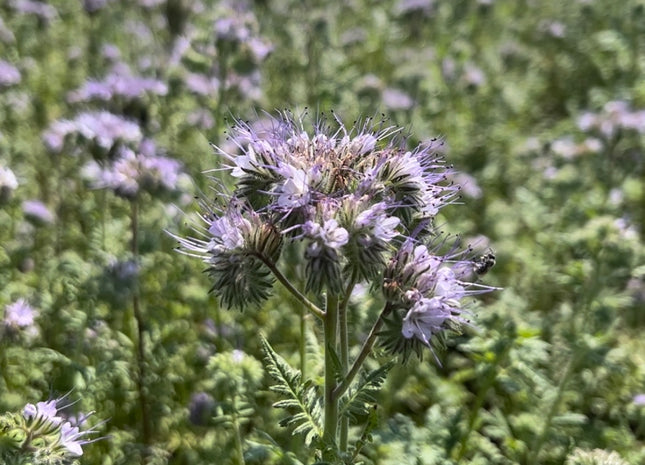
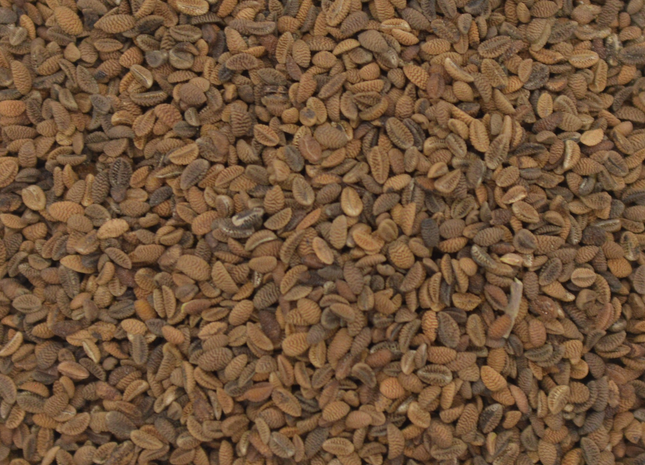
Phacelia (Super Bee)
Phacelia enhances just about any type of cover crop mix you could think of. From pollinator mixes, to soil building, to grazing, phacelia shines in many situations. This mighty broadleaf enhances soil nitrogen uptake, boosts soil organic matter, and can be used in low fertility environments. While forage yield is modest, it is palatable to livestock even at maturity. As a cool season plant, phacelia is best planted in early spring or late summer, similar to alfalfa. This plant is also known to scavenge potassium.
from $4.35 per lb
-

Dill
You know dill as an herb to add to pickles or your summer cucumber salad but have you considered it as a cover crop? Dill brings plant family diversity to the field, attracts beneficial insects plus it smells amazing! We've observed that it is a fairly easy plant to grow during the summer and does a great job suppressing weeds. Dill will add diversity to your summer cover crop mixes and encourage soil microbe diversity.
from $3.80 per lb
- Out of Stock
Organic Brown Flax
Note: This product is certified organic. Flax works well as a cover crop in many small grain and corn rotations. The overall nutrient demand for flax is low and very little nitrogen is needed. Because flax is a broadleaf species, most diseases associated with it will not transfer over and cause infection to corn, soybeans, or wheat with the exception of powdery mildew and rhizoctonia after legumes. Flax can be utilized as a green manure if terminated early enough but take caution if attempting to cut too late as lignin/cellulose content increase with maturity and would hamper decomposition. Pollinators are attracted to the various blue/purple colors of the flowers that can last for 2-4 weeks.
from $1.92 per lb